Fields
Honey is a record of a place. The flavor of a jar comes from whatever bloomed in the few weeks the bees were filling those frames. So we watch the field.
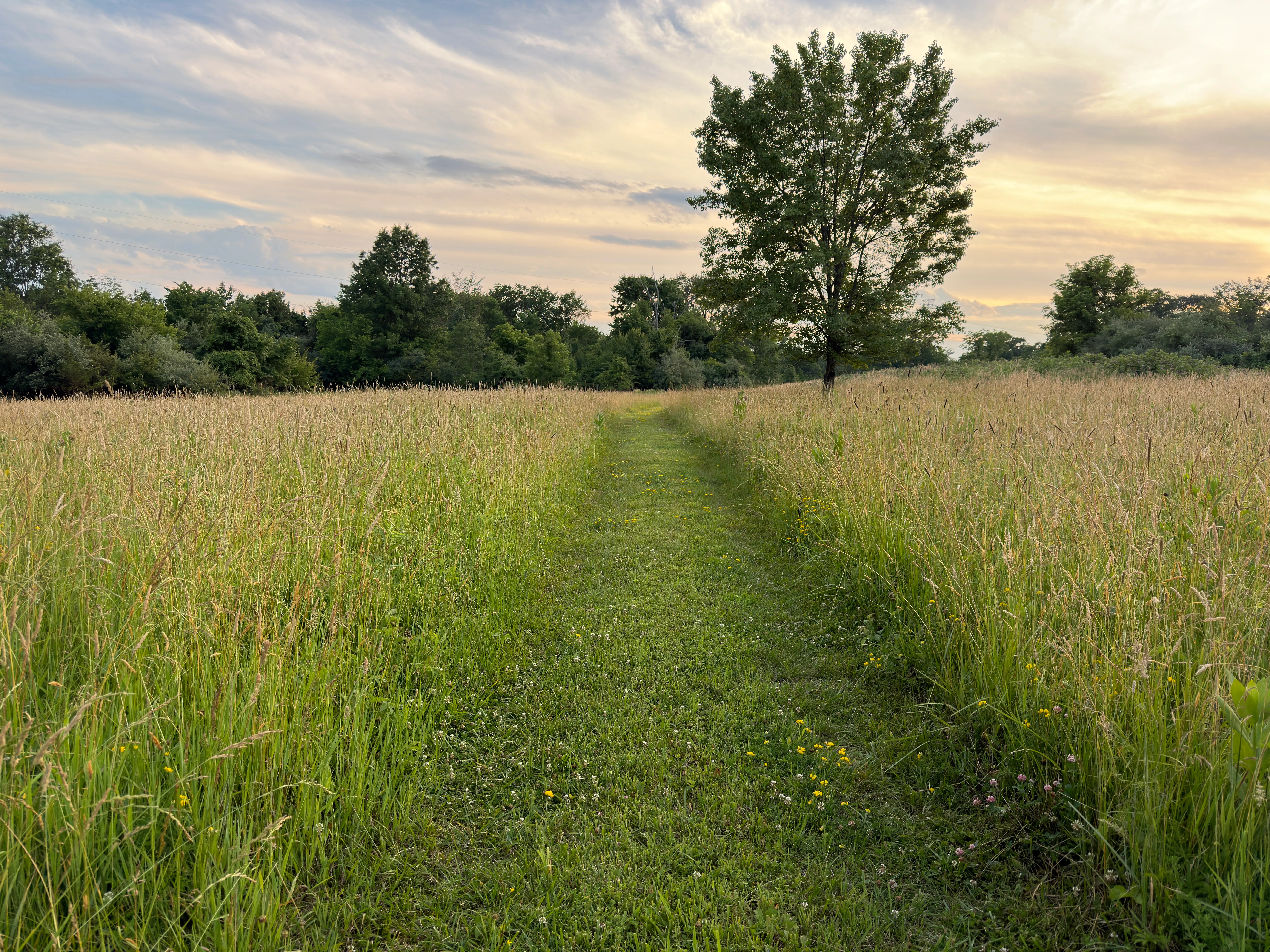
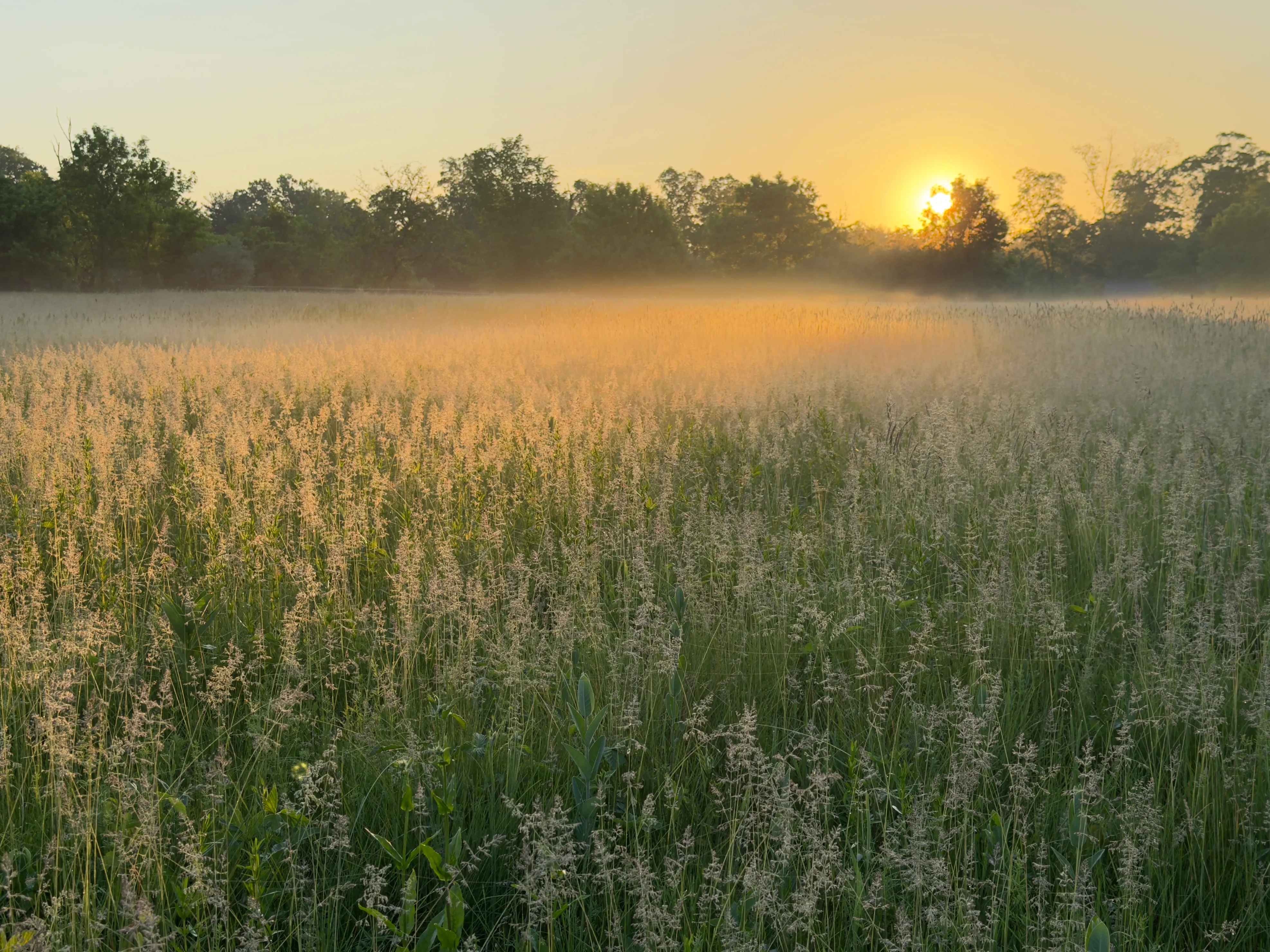
Five acres of open ground in Bucks County, filled with organic wildflowers and grasses, mowed once a year after the colonies go dormant. Whatever comes up is what goes in. Each week brings a different mix of nectar and pollen, which shapes the honey, and keeps the colonies resilient.
Here's what's been blooming.
Mid Summer 2026
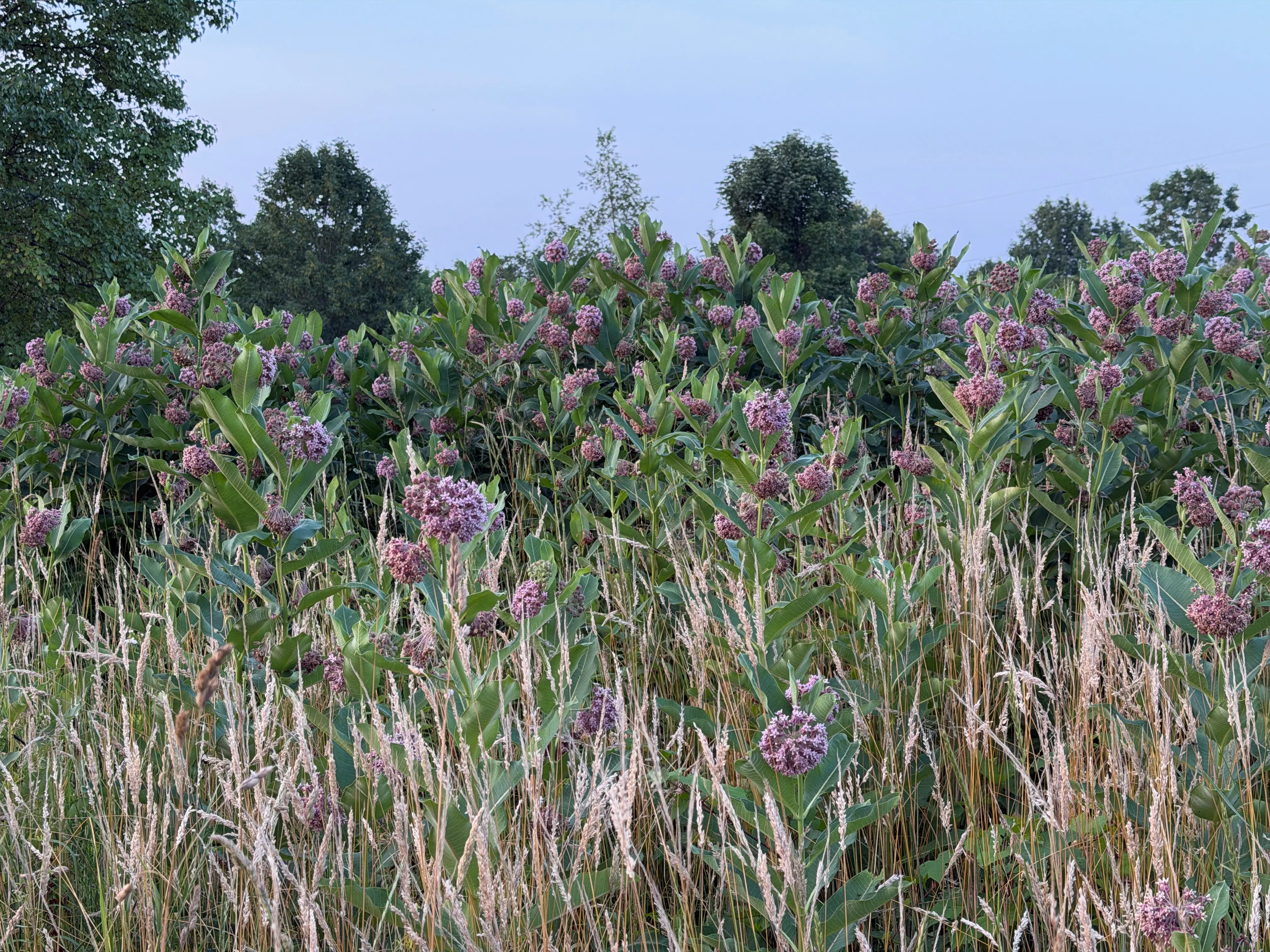
Showy milkweed is plentiful across the field, with red clover and bird’s-foot trefoil adding steady nectar as the supers begin to fill. The first Russian sage flowers are opening now, bringing a drier herbal note that should carry into the early July honey alongside clover sweetness.
Currently blooming
-
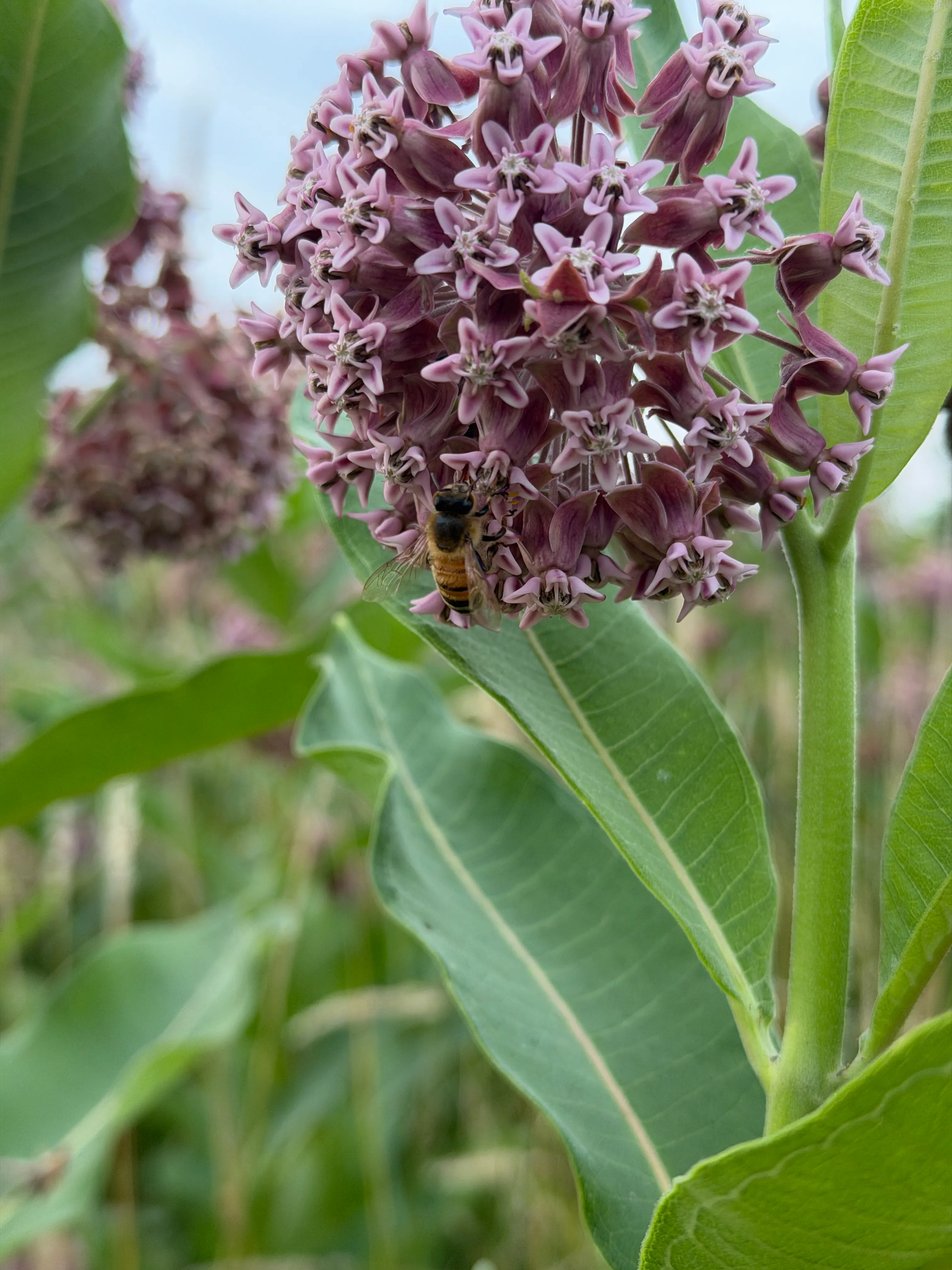
Western Honey Bee Likely
Apis mellifera
-
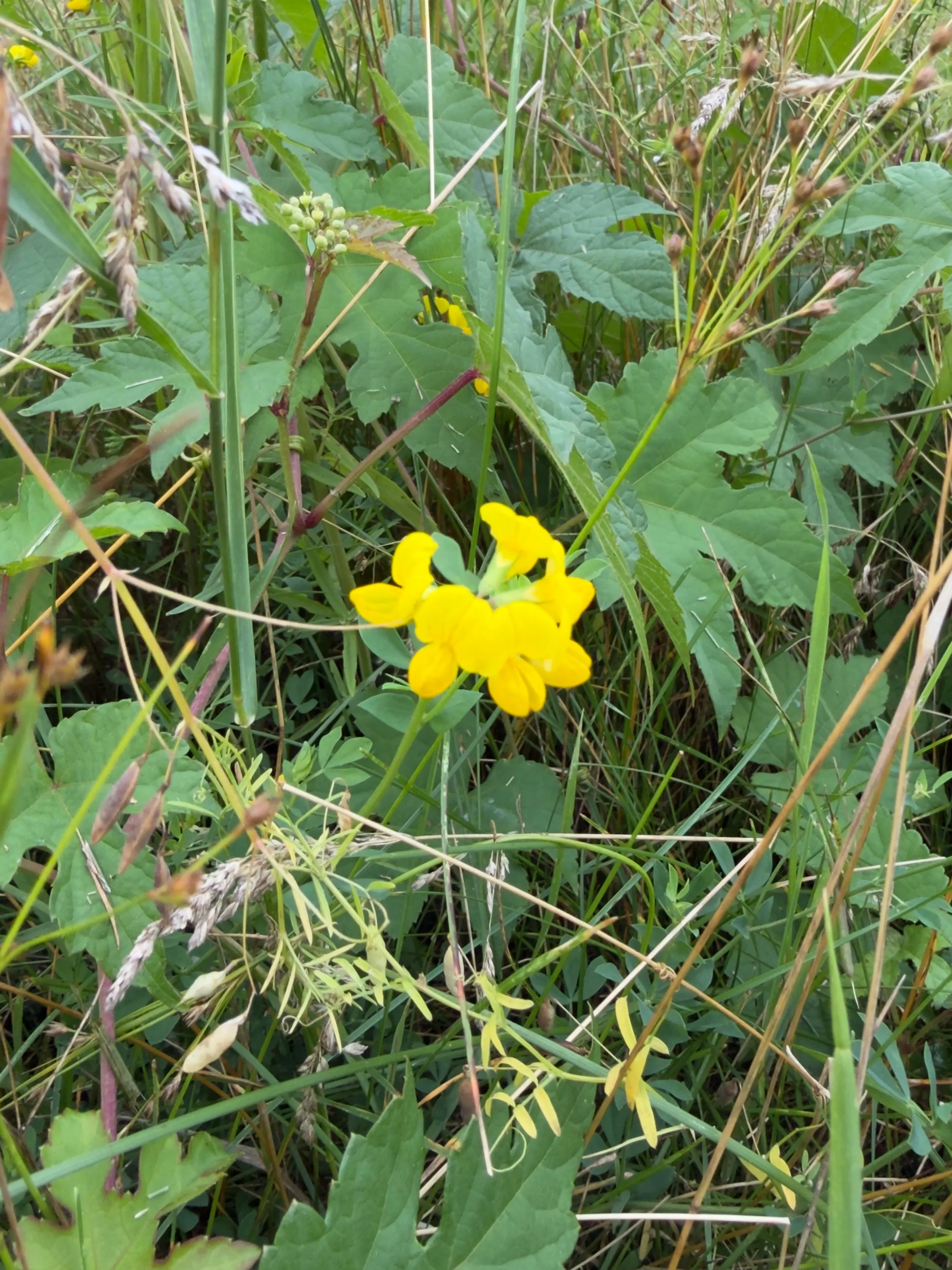
bird's-foot trefoil Likely
Lotus corniculatus
Nectar · Pollen
-
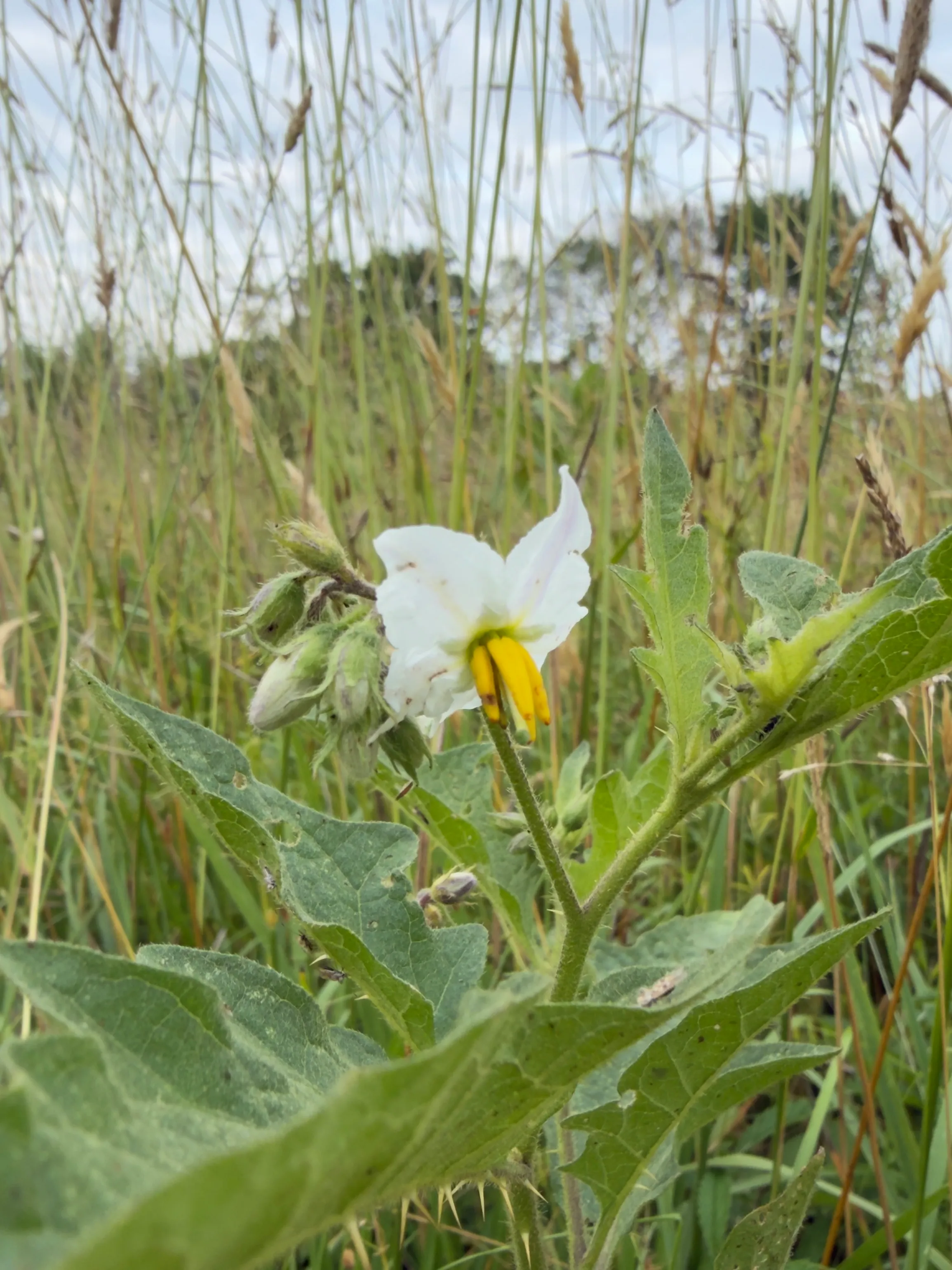
Carolina horsenettle Likely
Solanum carolinense
-
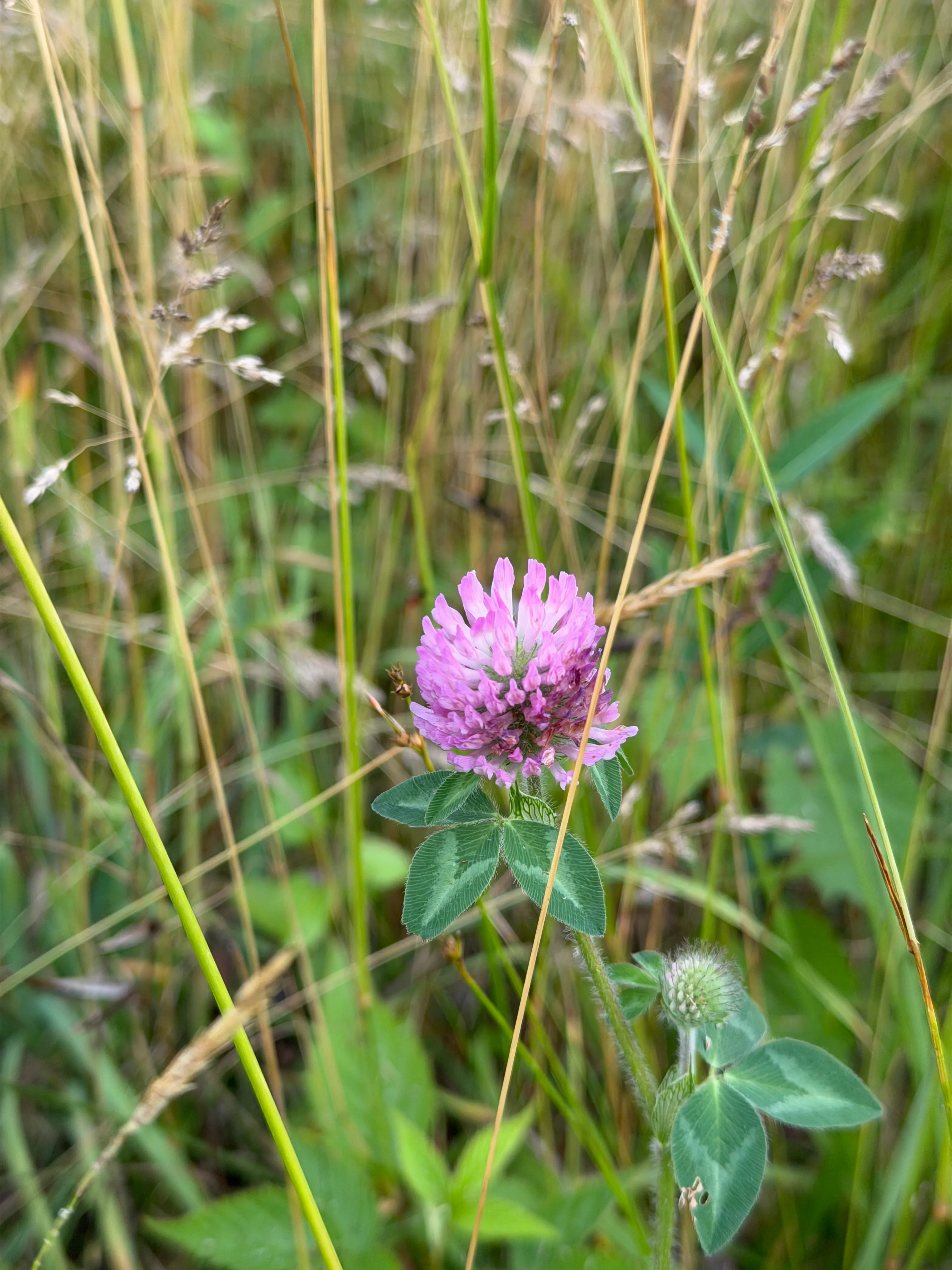
Red Clover
Trifolium pratense
Nectar · Pollen
-
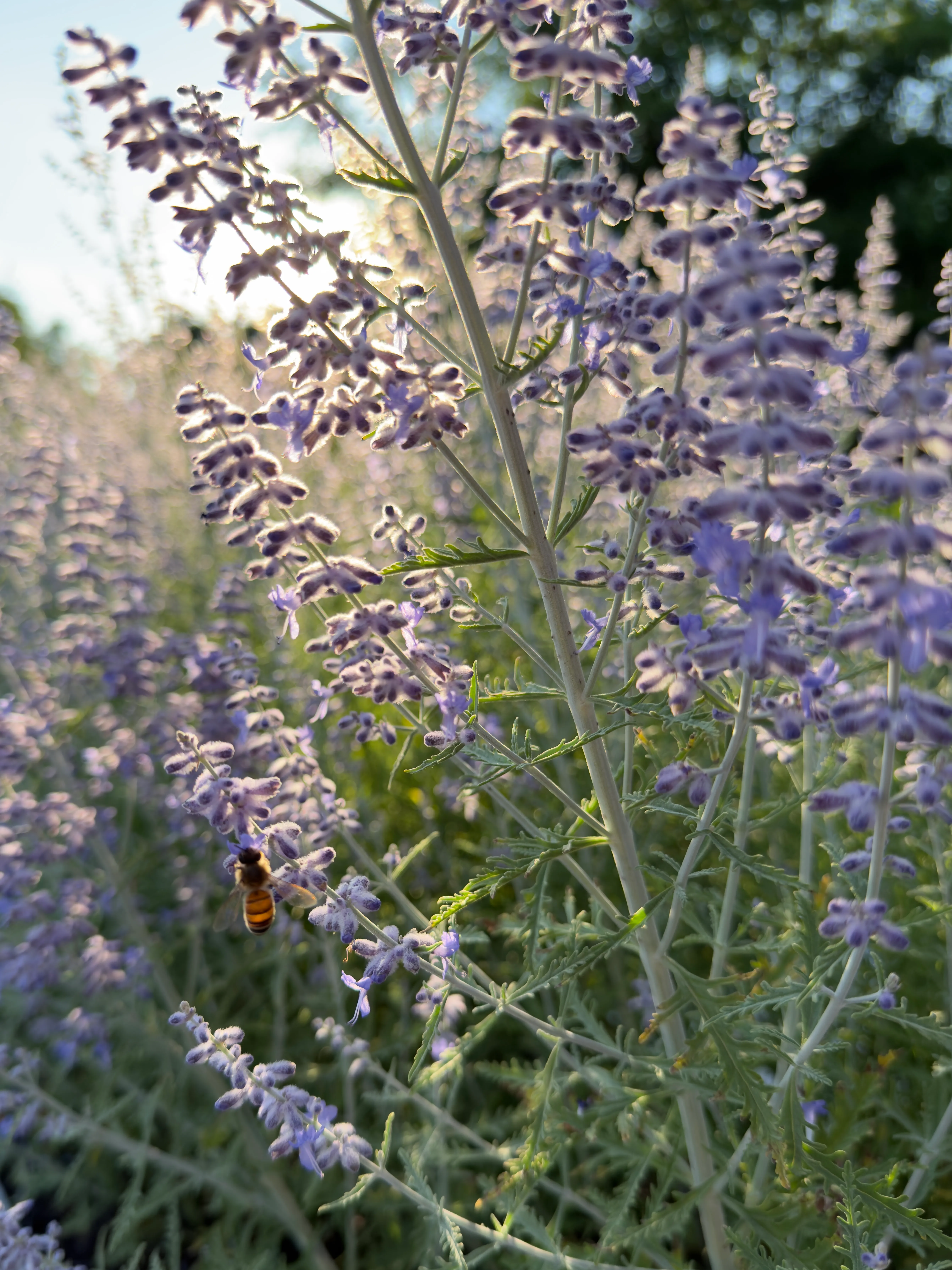
Swanleaf Clouding Sage
Salvia yangii
Nectar · Pollen
Earlier blooms
June 17 – July 2, 2026 3 species recorded +
Poverty dropseed is pushing up through the field, while bird’s-foot trefoil, white clover, and the last bulbous buttercup are carrying the tail end of the spring flow into the supers. As common milkweed and moth mullein begin to open alongside yarrow, the incoming nectar shifts toward a cleaner, grass-and-herb edge with a mild sweetness that will mark the start of the summer harvest.
-
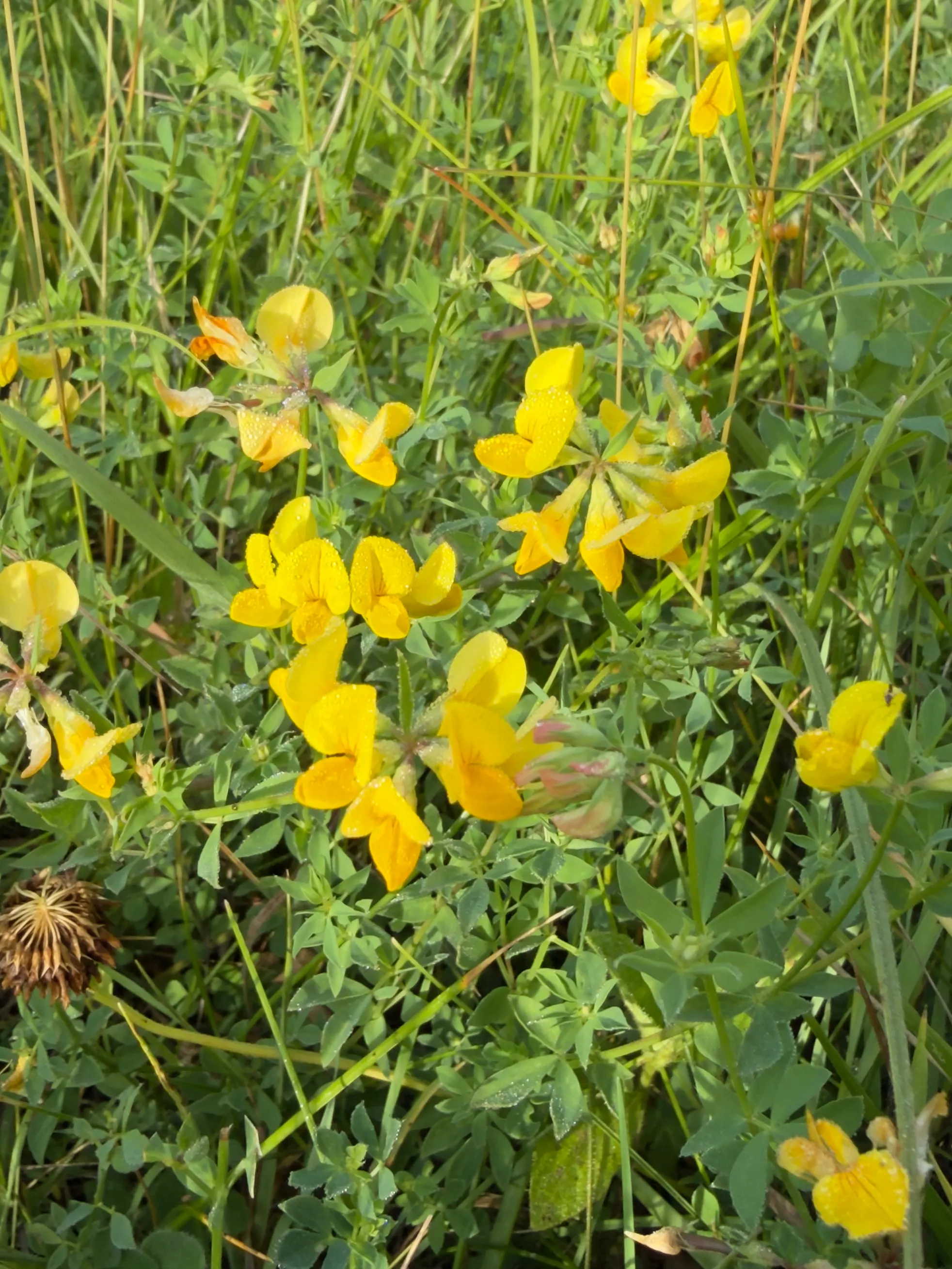
bird's-foot trefoil
Lotus corniculatus
Nectar · Pollen
-
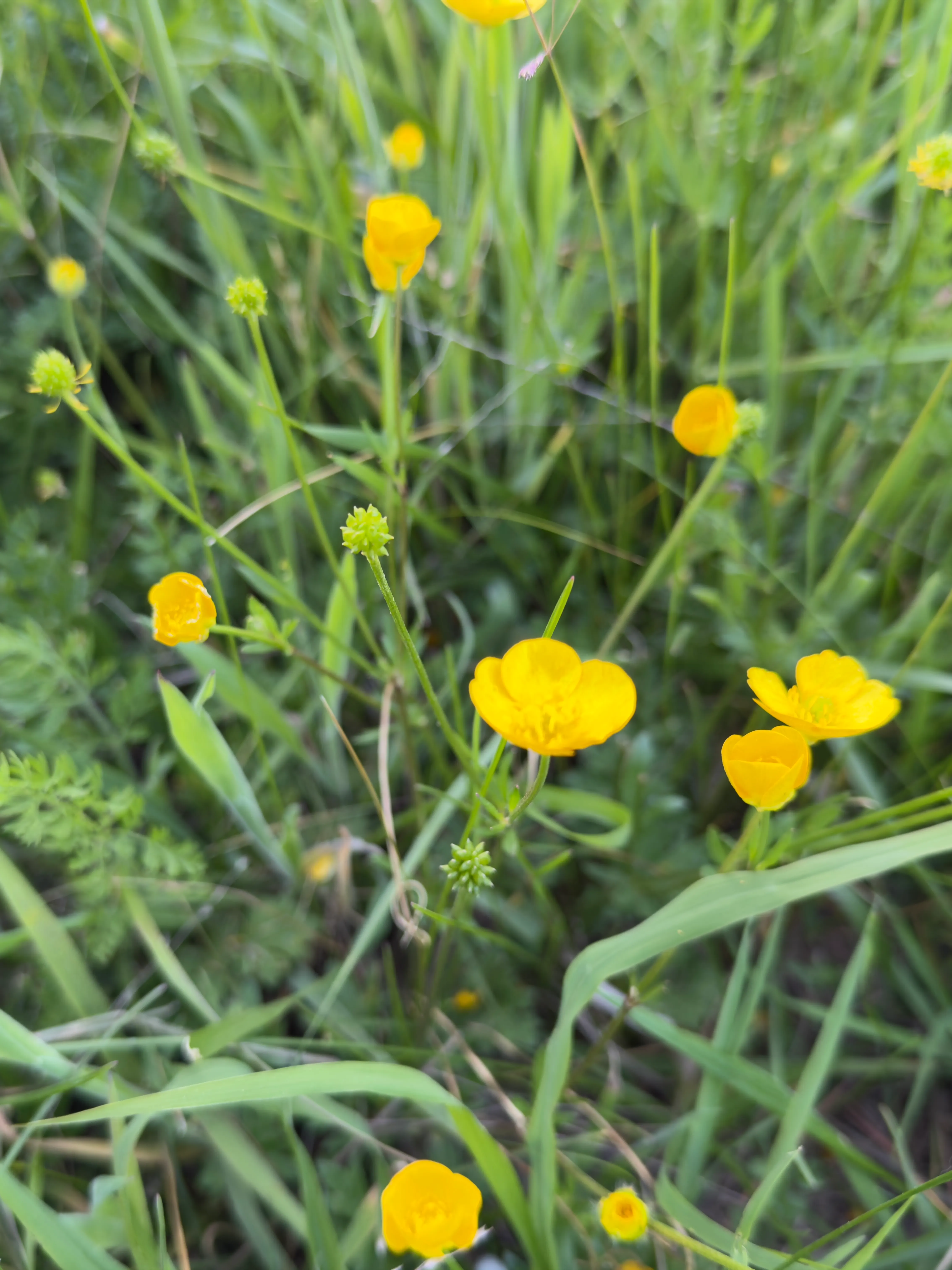
bulbous buttercup Likely
Ranunculus bulbosus
Pollen
-
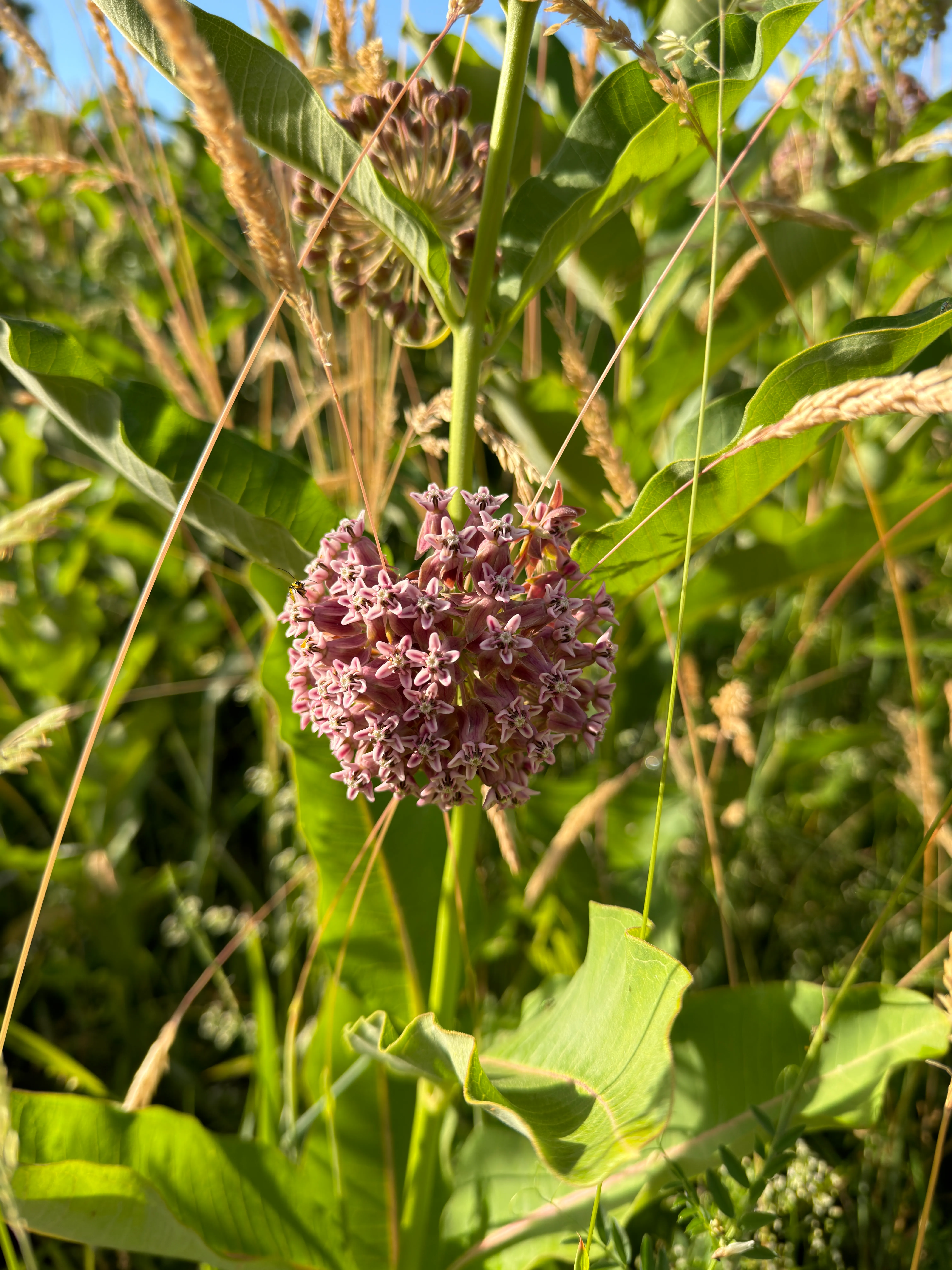
common milkweed Likely
Asclepias syriaca
Nectar · Pollen
-
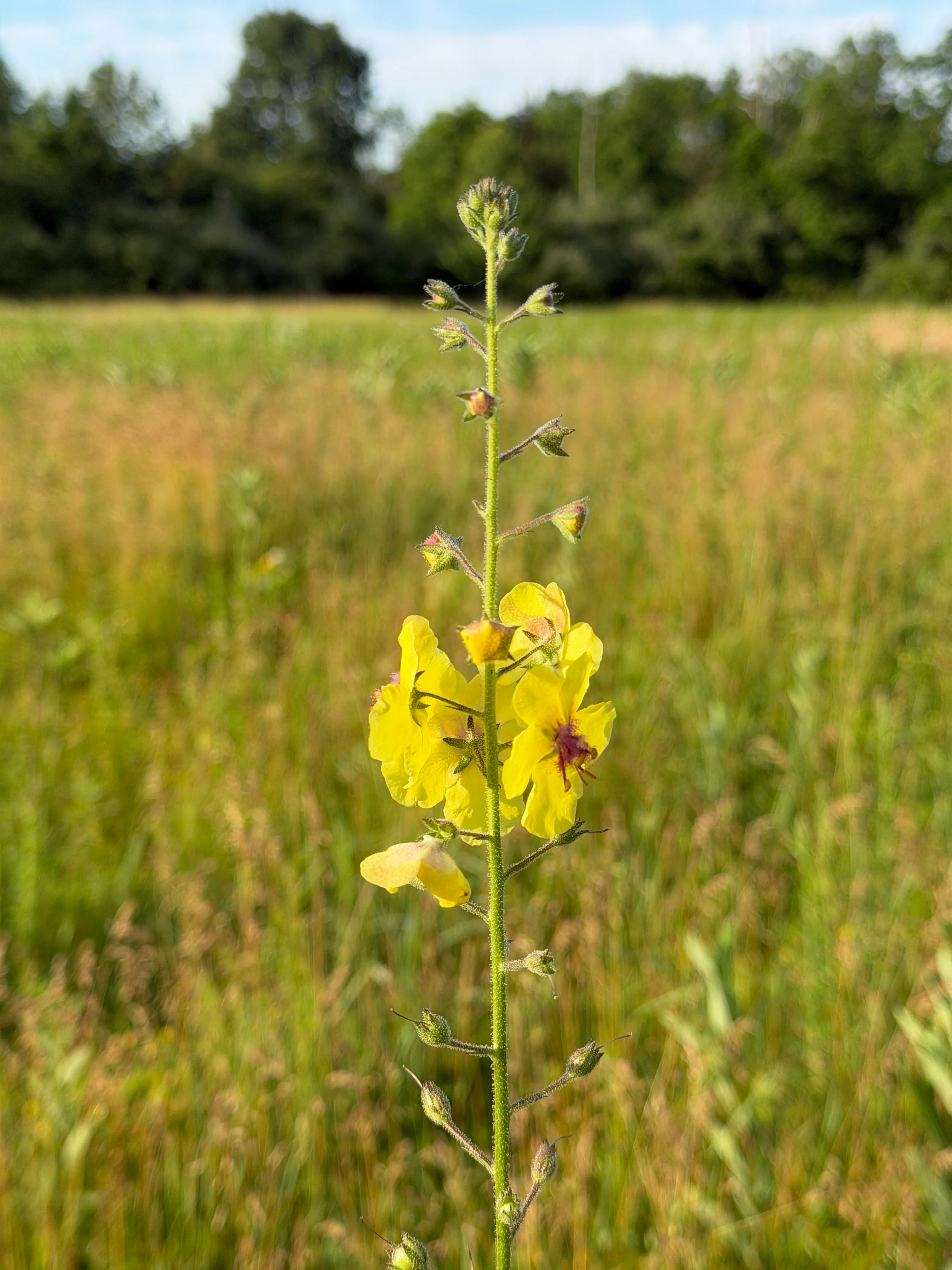
moth mullein
Verbascum blattaria
Pollen
-
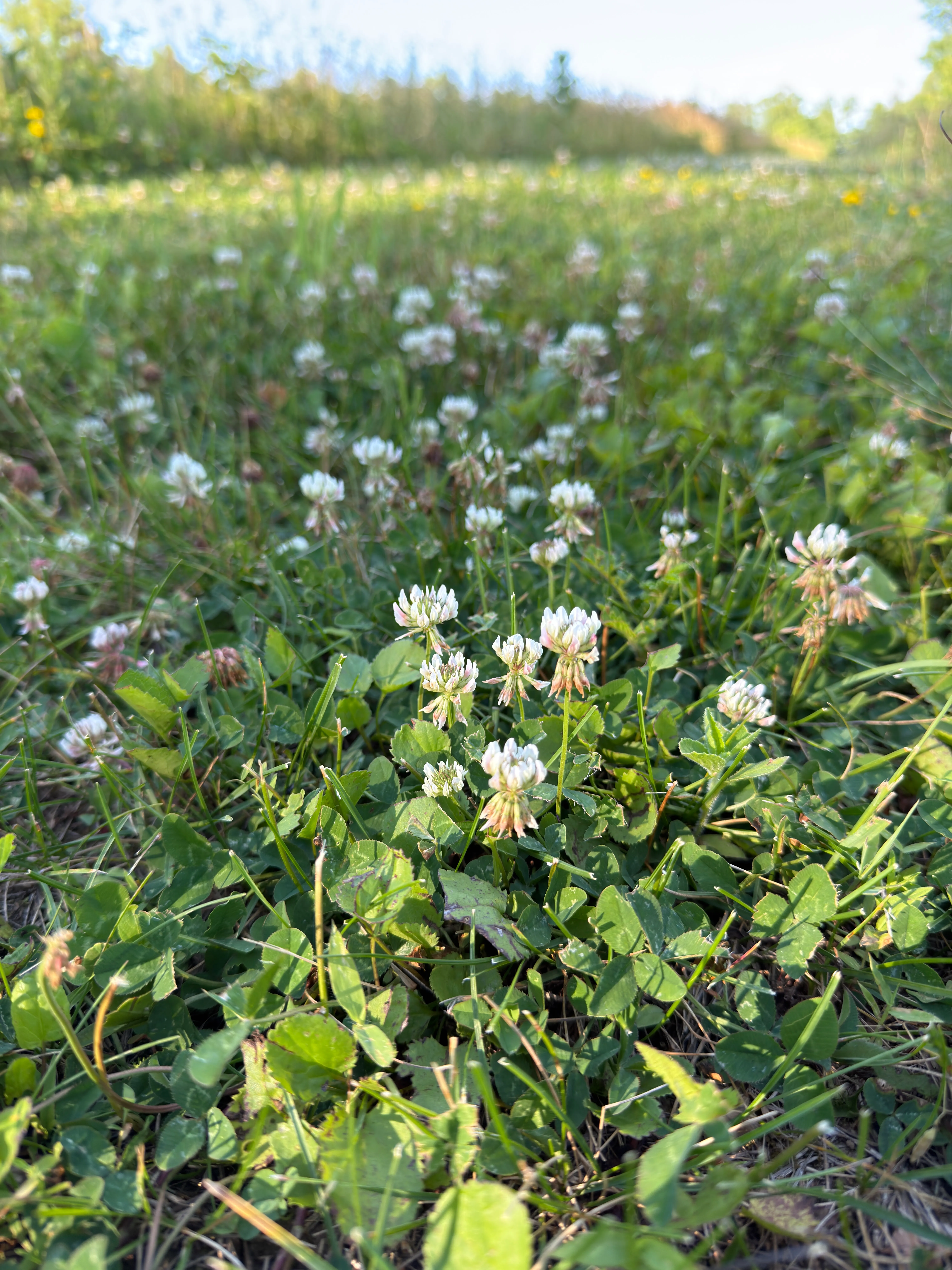
white clover Likely
Trifolium repens
Nectar · Pollen
-
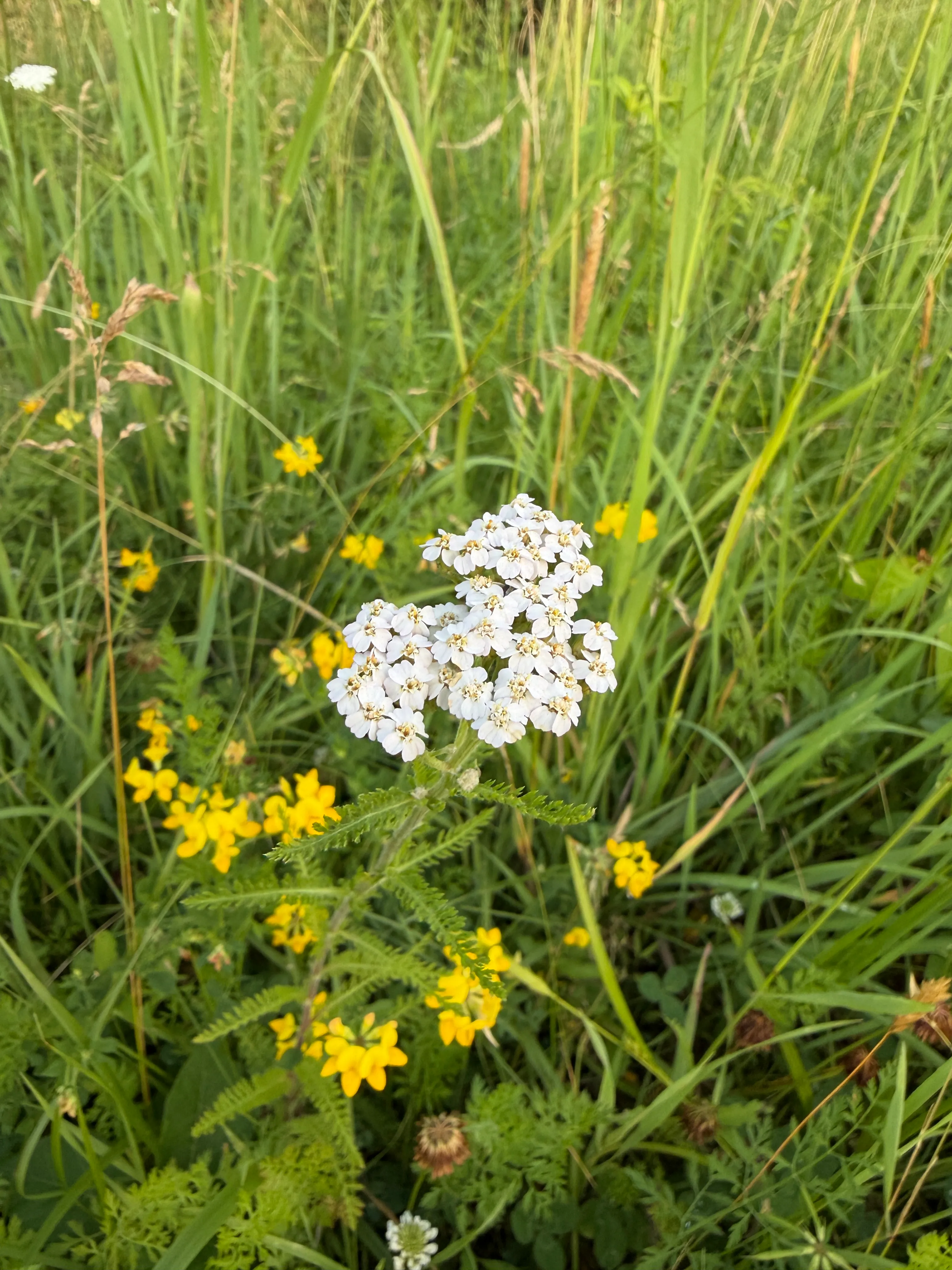
common yarrow
Achillea millefolium
Pollen
May 20 – June 16, 2026 1 species recorded +
Glutene-rice grass is standing tall in the field, with bulbous buttercup, Eastern groundsel, oxeye daisy, blue-eyed grass, Philadelphia fleabane, and dame’s rocket filling the mid-May gaps that feed this week’s steady nectar flow. Hot days and cool nights are keeping the honey light and clean, with a fresh green edge and a mild, peppery finish that should set the tone for an early-summer harvest.
-
bulbous buttercup Likely
Ranunculus bulbosus
Pollen
-
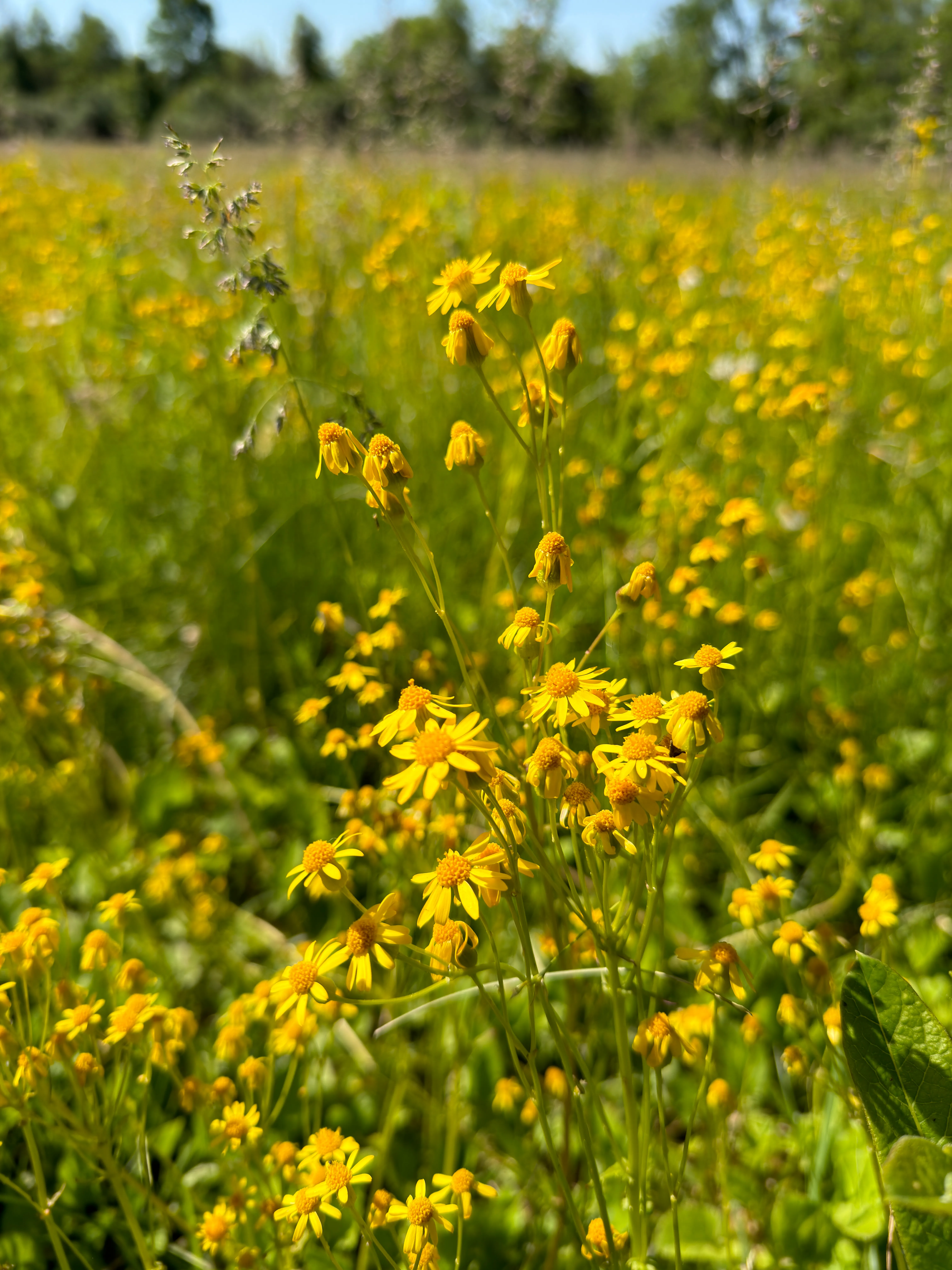
Eastern Groundsel Likely
Senecio vernalis
-
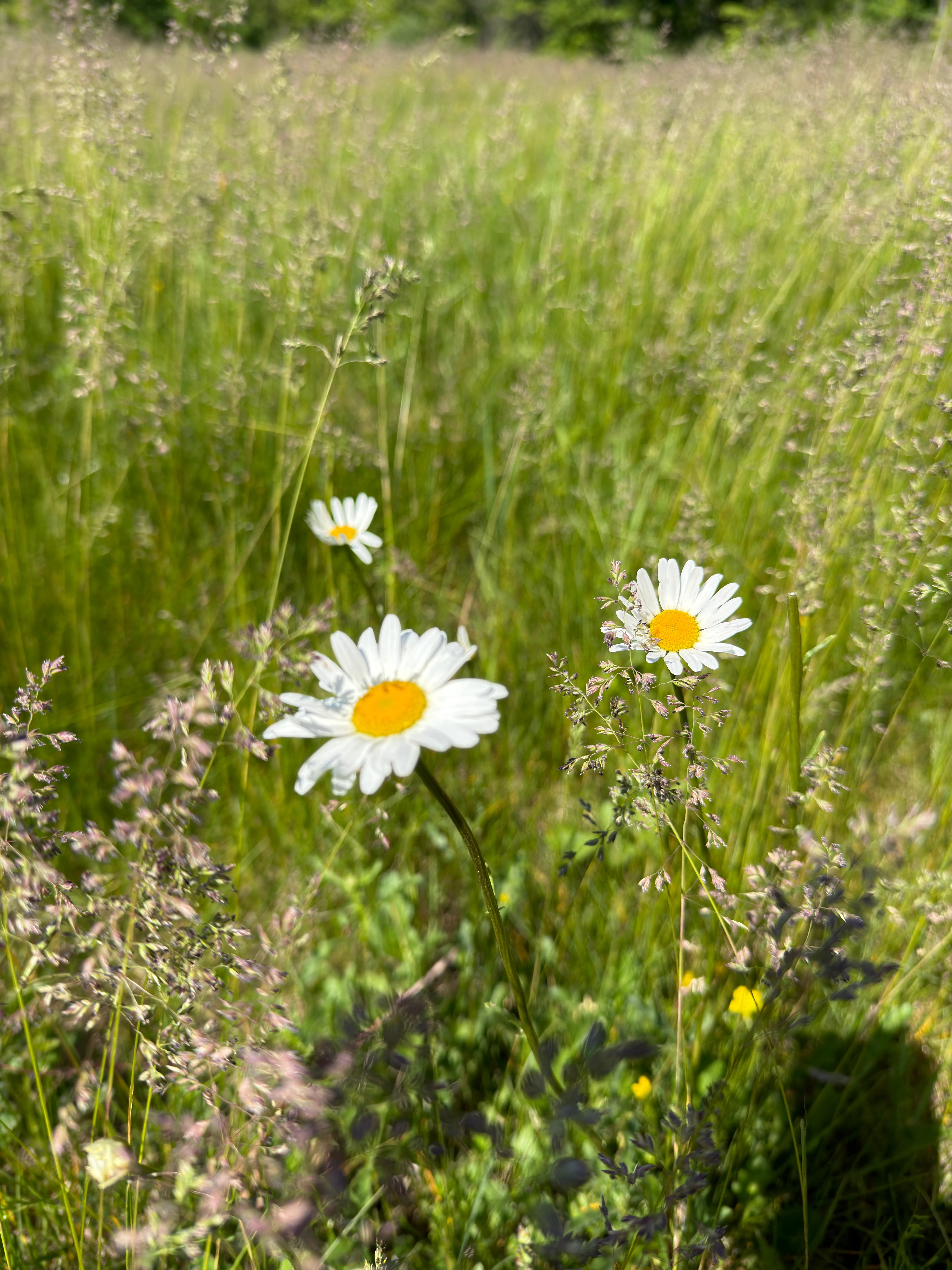
Oxeye daisy Likely
Leucanthemum ircutianum
Pollen
-
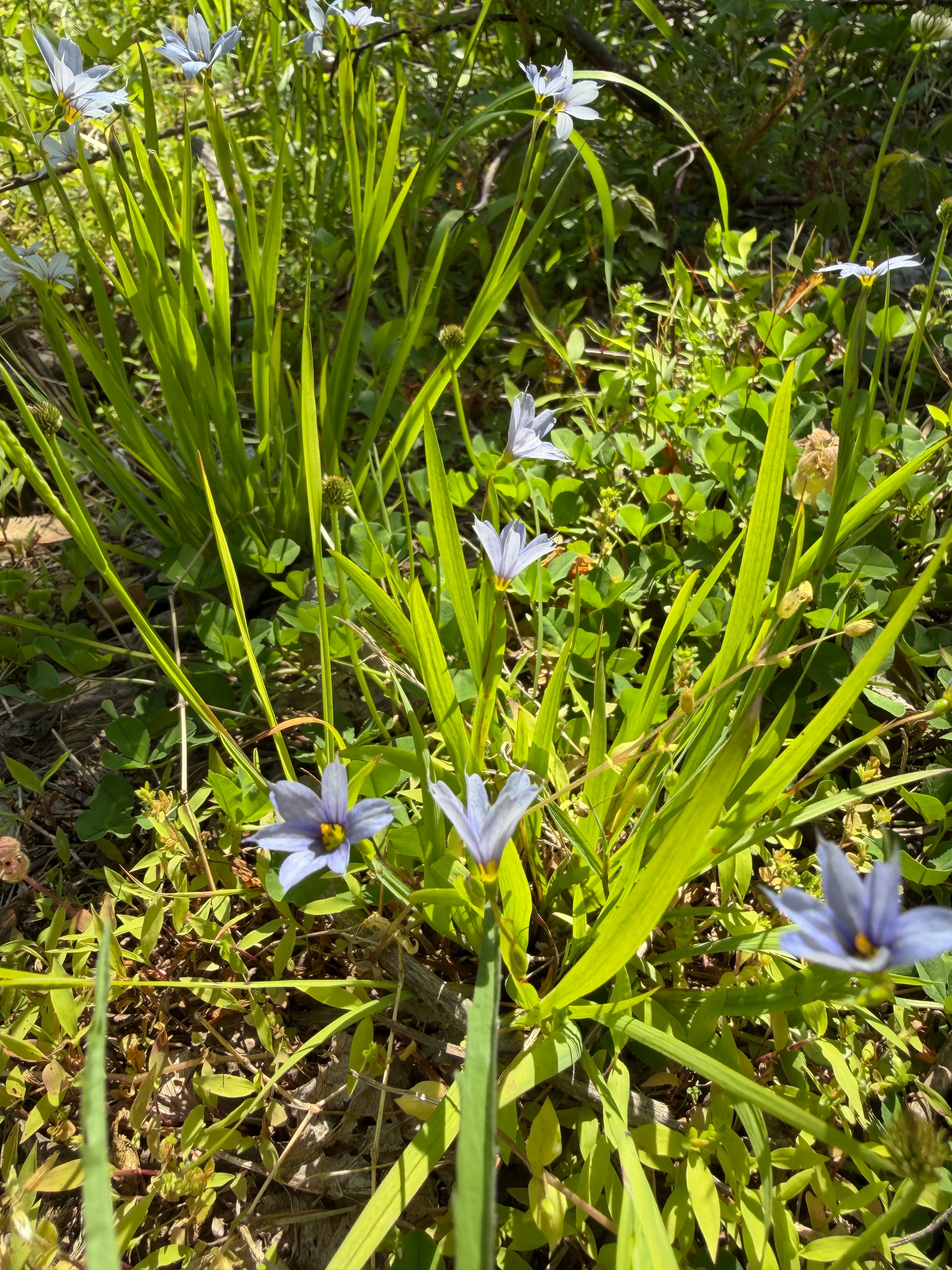
Idaho Blue-eyed Grass Likely
Sisyrinchium idahoense
Pollen
-
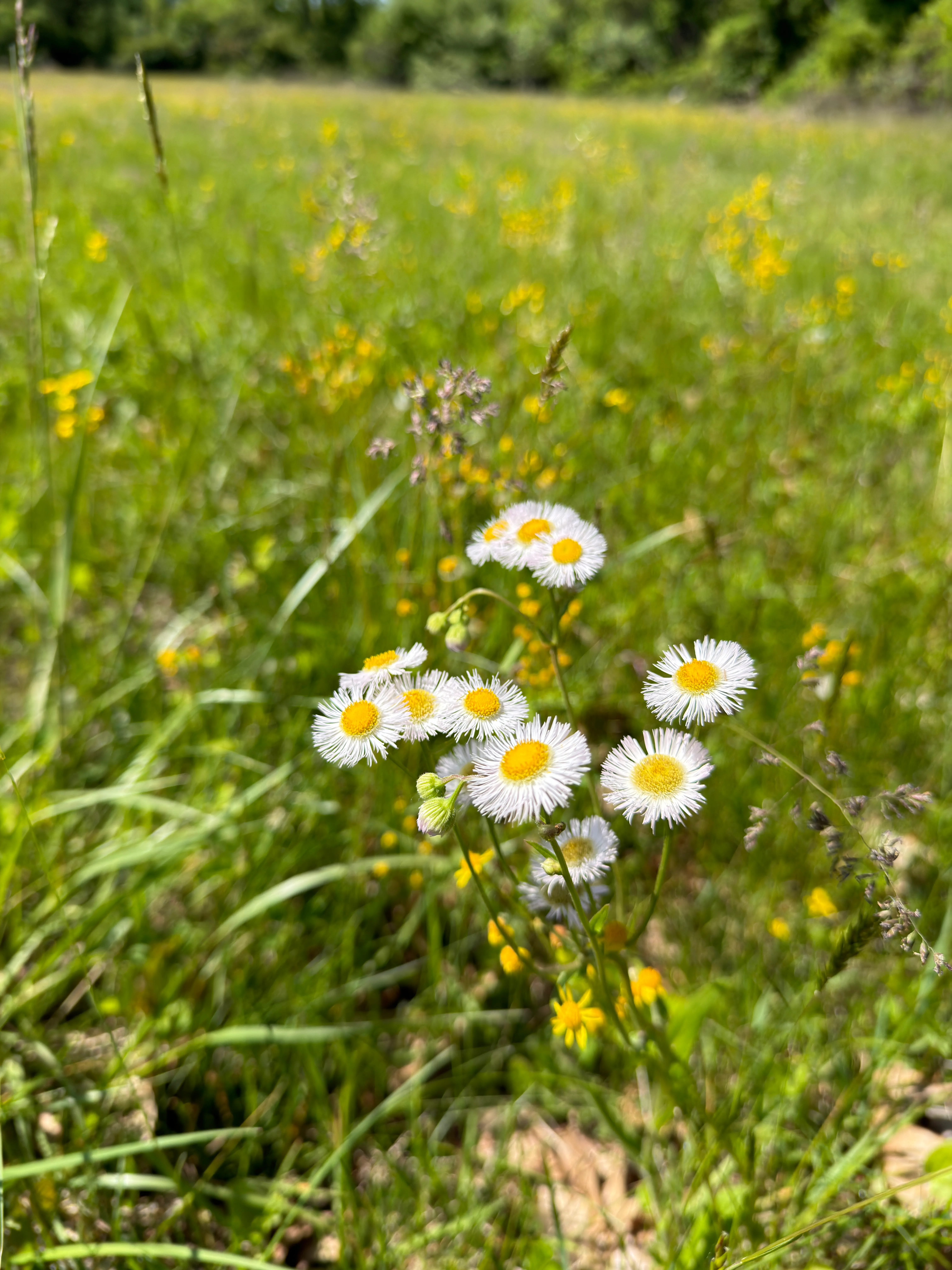
Philadelphia fleabane
Erigeron philadelphicus
Nectar · Pollen
-
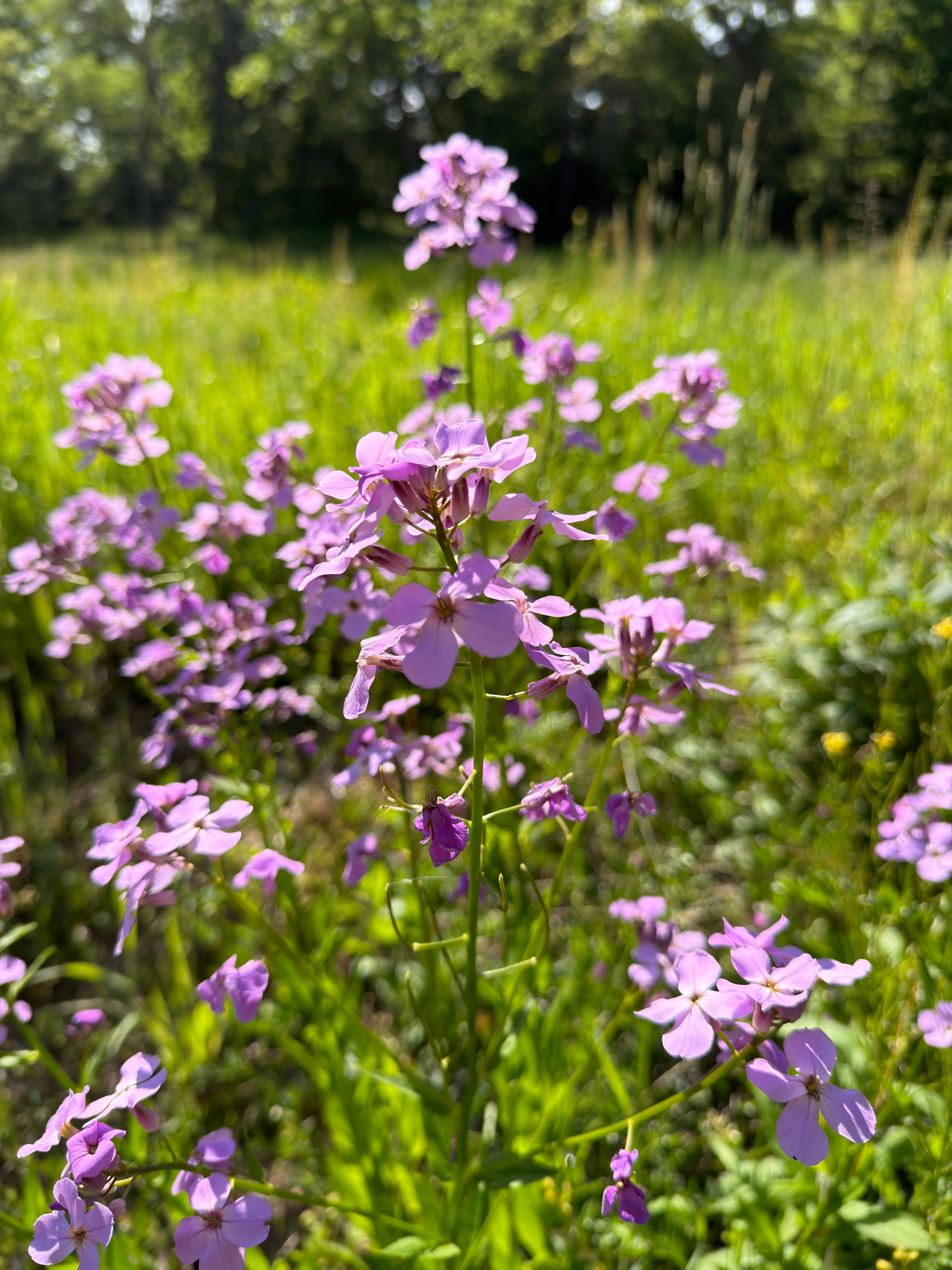
dame's rocket Likely
Hesperis matronalis
Nectar · Pollen
April 30 – May 19, 2026 5 species recorded +
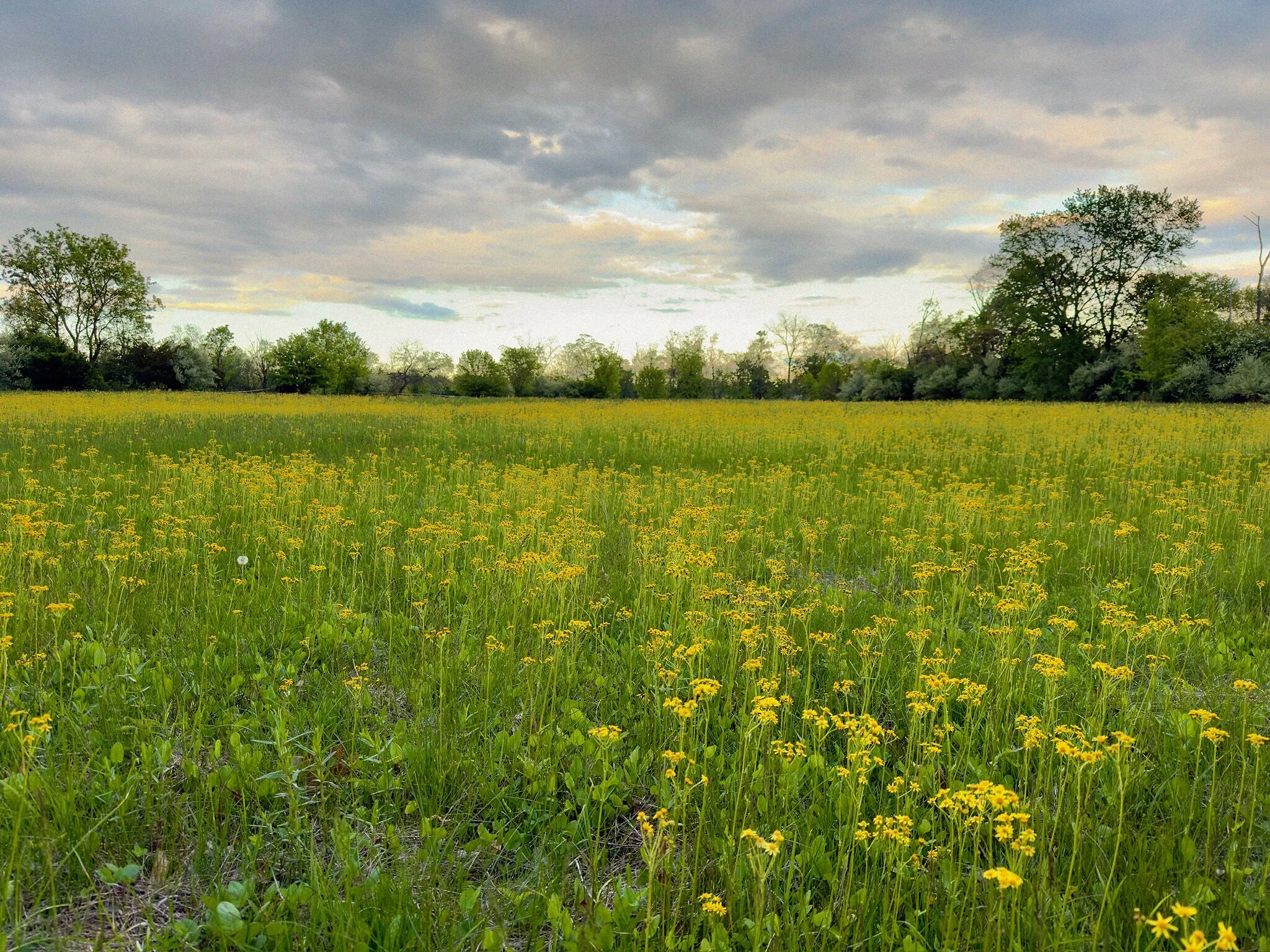
Falsegold groundsel is up in the damper edges of the field, and the foragers are coming back with dense orange pollen and a clean, green-sweet nectar note. Garden yellowrocket and ground-ivy are filling the gaps with a sharper brassica edge and a faint minty finish that lifts the mid-palate. Leatherleaf viburnum and the first autumn olive bloom are starting to show in the hedgerow, setting up the early May flow that will round this spring honey with more floral depth.
-
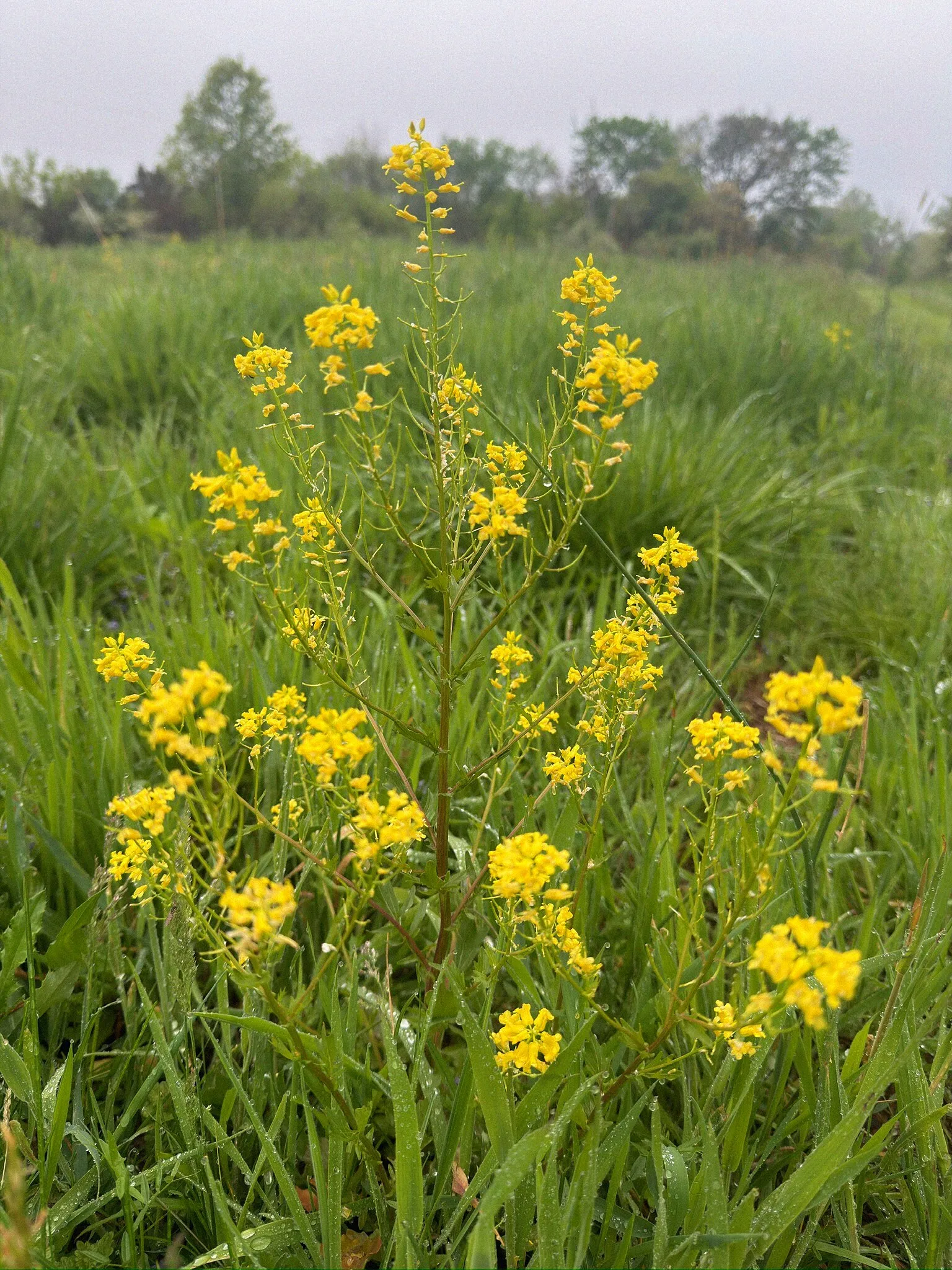
garden yellowrocket
Barbarea vulgaris
Nectar · Pollen
-
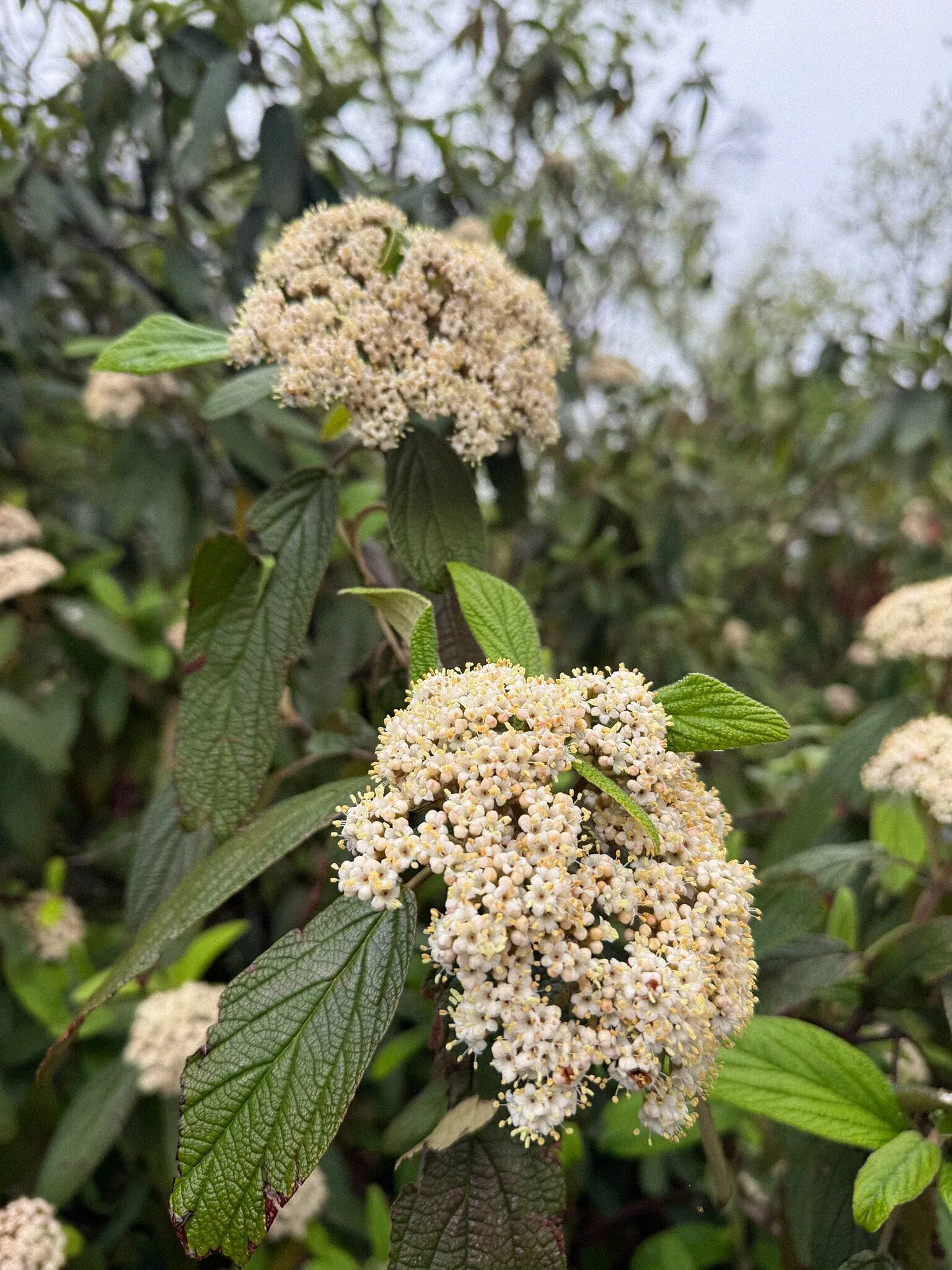
Leatherleaf viburnum
Viburnum rhytidophyllum
Nectar · Pollen
-
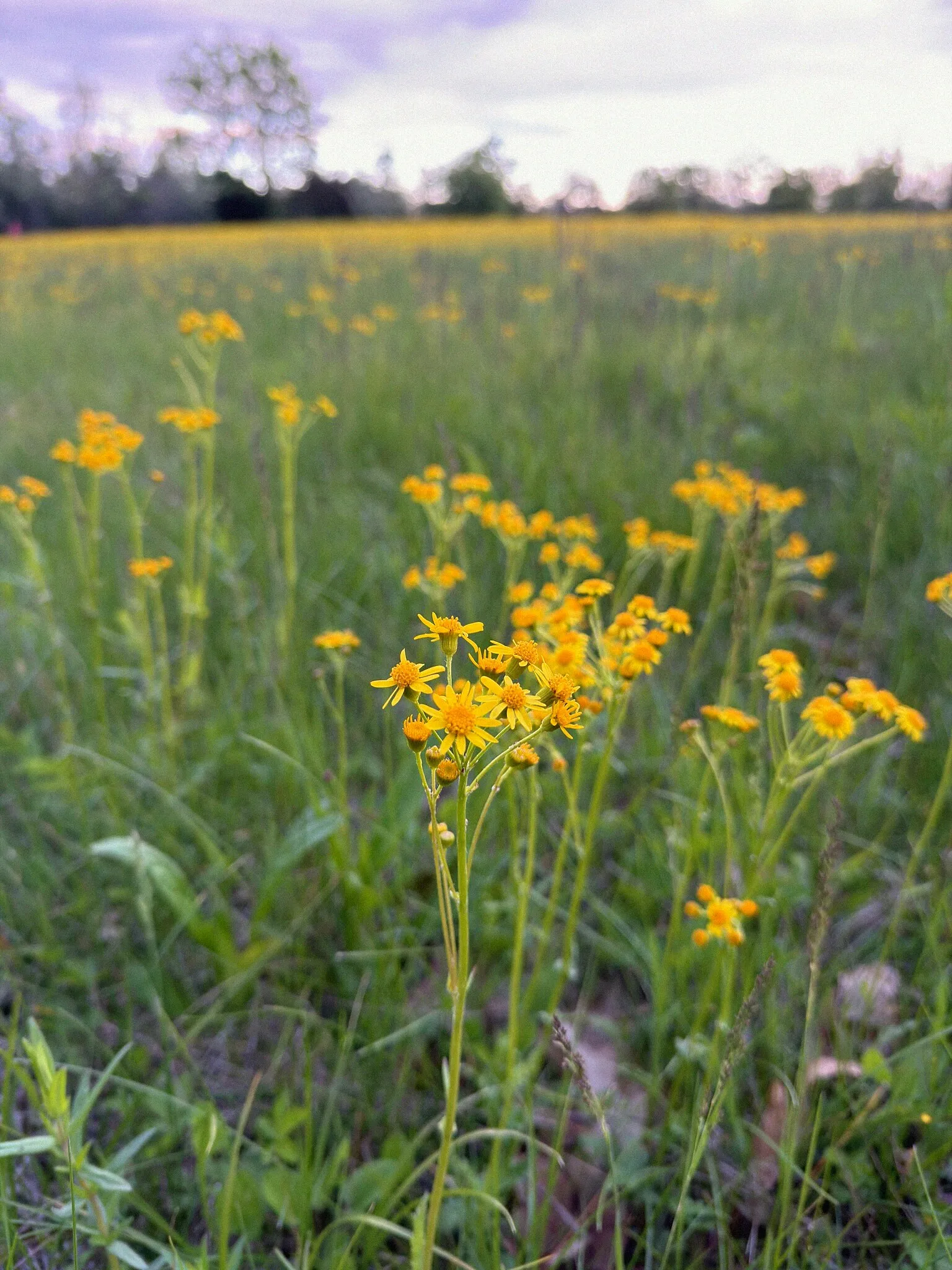
Prairie Groundsel
Packera plattensis
Pollen
-
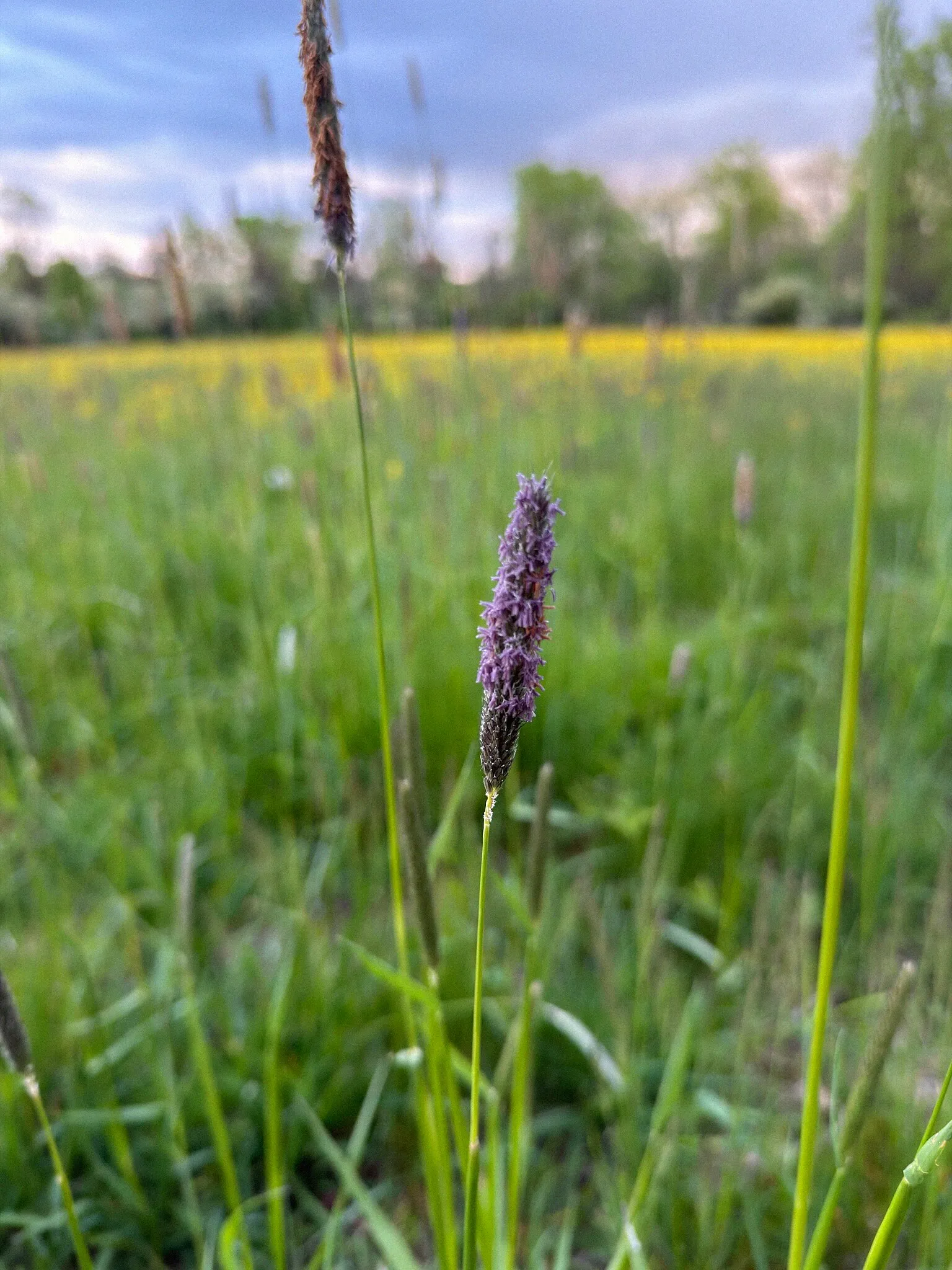
Meadow Foxtail Likely
Alopecurus pratensis
-
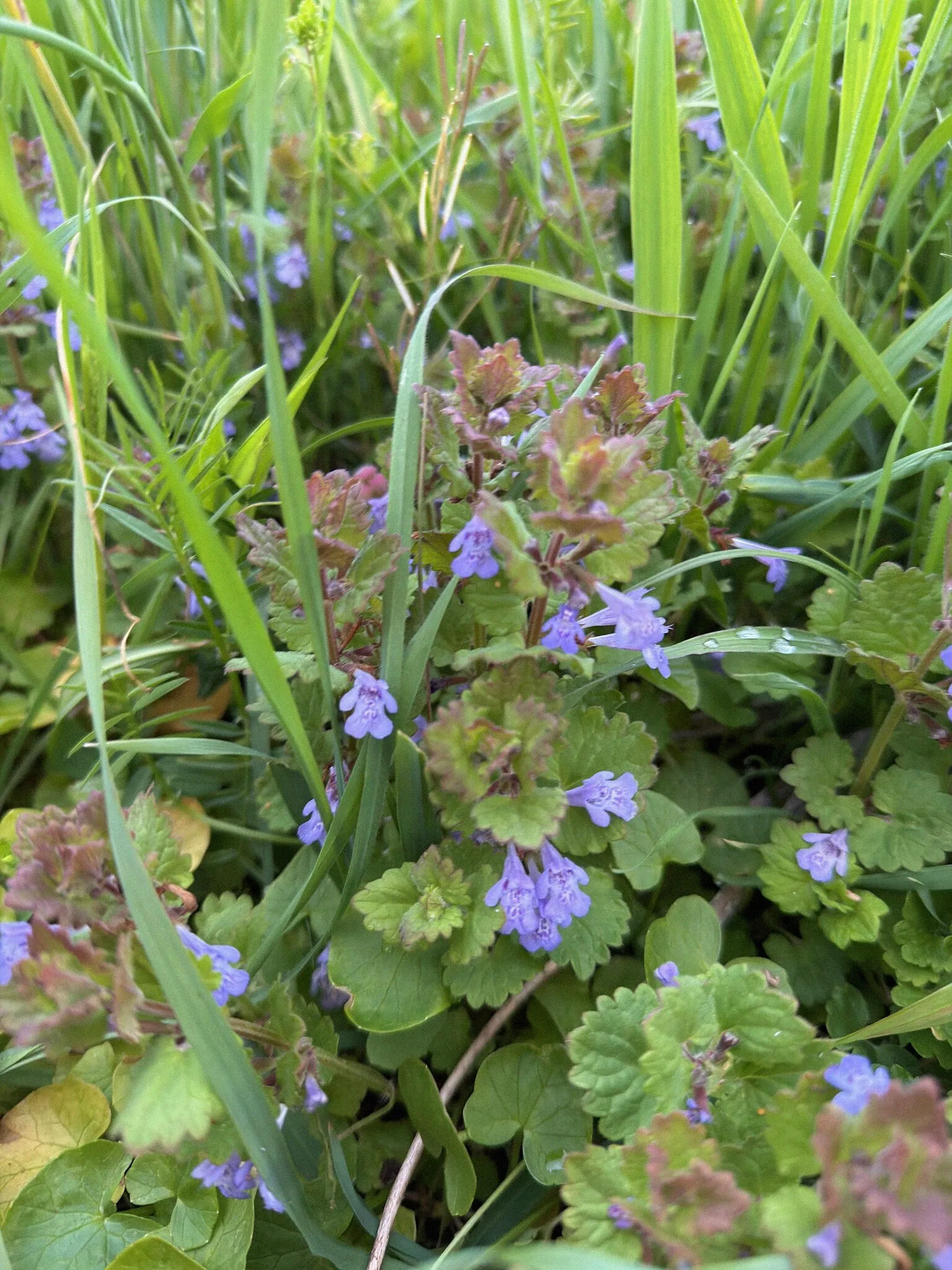
ground-ivy
Glechoma hederacea
Nectar · Pollen
-
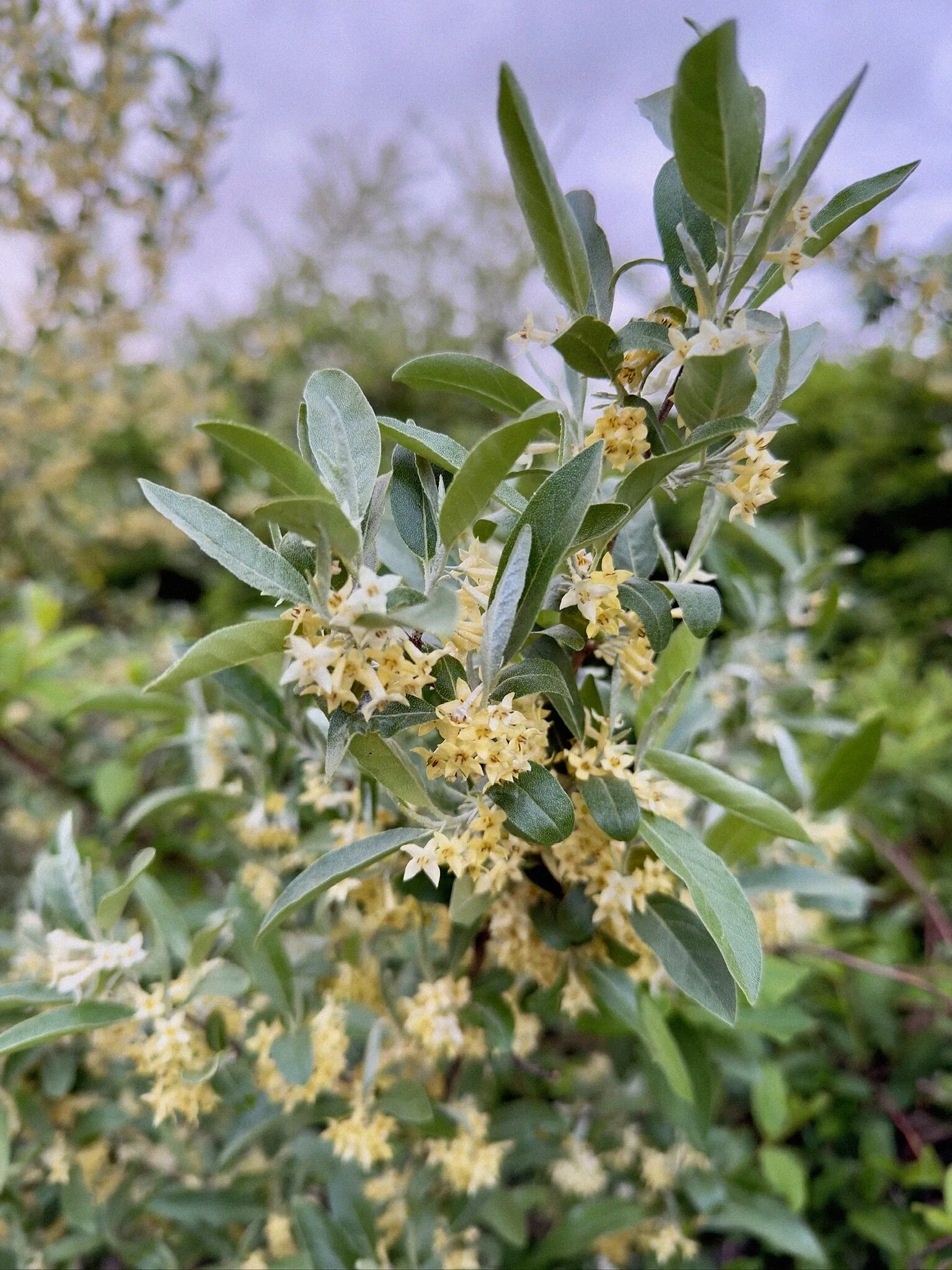
autumn olive
Elaeagnus umbellata
Nectar · Pollen